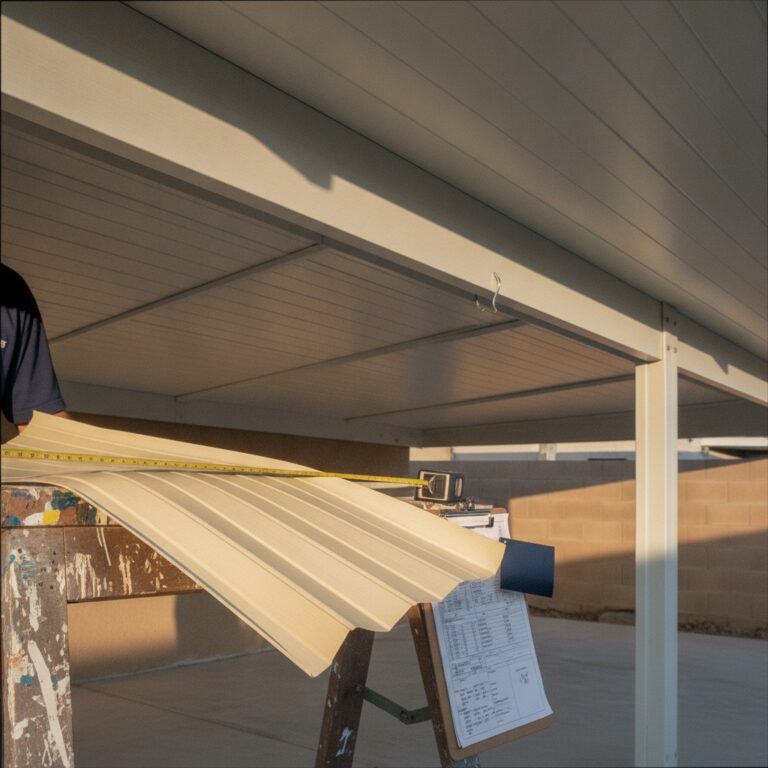

The first week of August 2026 put most of inland Southern California under an extreme heat warning, with forecast highs between 95 and 110 degrees everywhere more than about 15 miles from the coast. That is the week a patio cover earns its keep. It is also when a badly placed post ruins the room. A typical wood bid for a 20 by 12 foot cover puts three posts across the front edge. A well engineered aluminum bid does the same cover with two, and sometimes with no center post at all. The difference is the beam.
The Post Problem on a SoCal Slab
Posts are not a cosmetic detail. Each one lands in your concrete, blocks a sightline, and steals usable floor. On a 20 foot wide slab in Eastvale or Menifee, a center post sits exactly where the outdoor dining table wants to go. Next to a pool in Yorba Linda, it cuts the view from the kitchen window in half. Homeowners rarely think about post count when they collect bids. They think about it every day after the cover goes up.
Every post also needs a footing. On a new build that is cheap. On an existing slab it means saw cutting the concrete, digging, pouring, and patching, usually a few hundred dollars per hole. The patch never quite matches the original pour. Fewer posts means fewer cuts in the slab you already paid for, which is a real number on the quote, not a styling preference.
What the Span Tables Actually Say
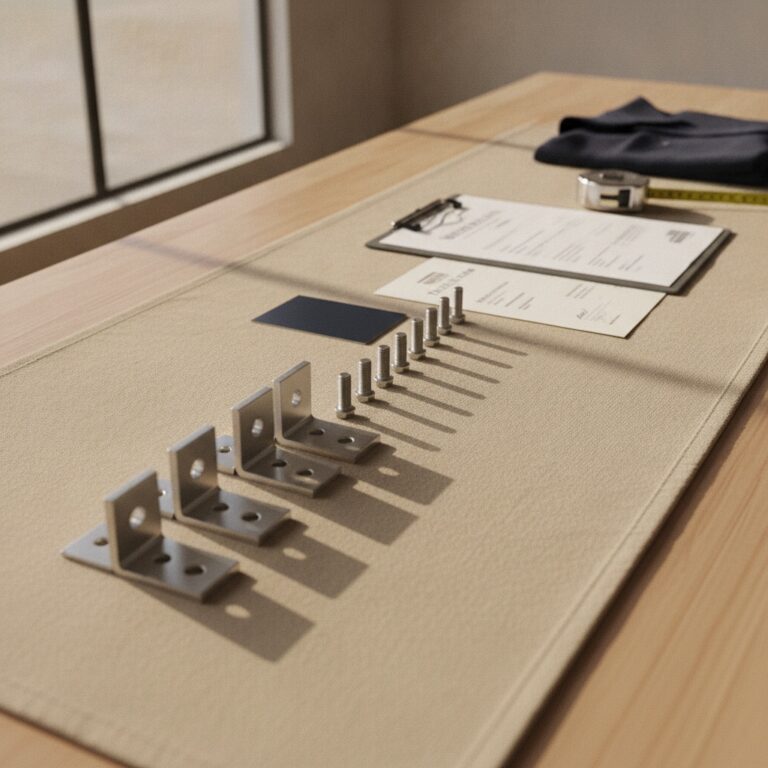
Every legal patio cover in California gets built from an engineering packet. The packet carries span tables for roof panels, rafters, beams, and posts, calculated for your wind and seismic zone under the current California Building Code. Kit manufacturers publish reports tied to the 2019 and 2022 CBC editions, and plan checkers in Riverside and San Diego County ask for them by name. Those tables are where aluminum quietly pulls away from wood.
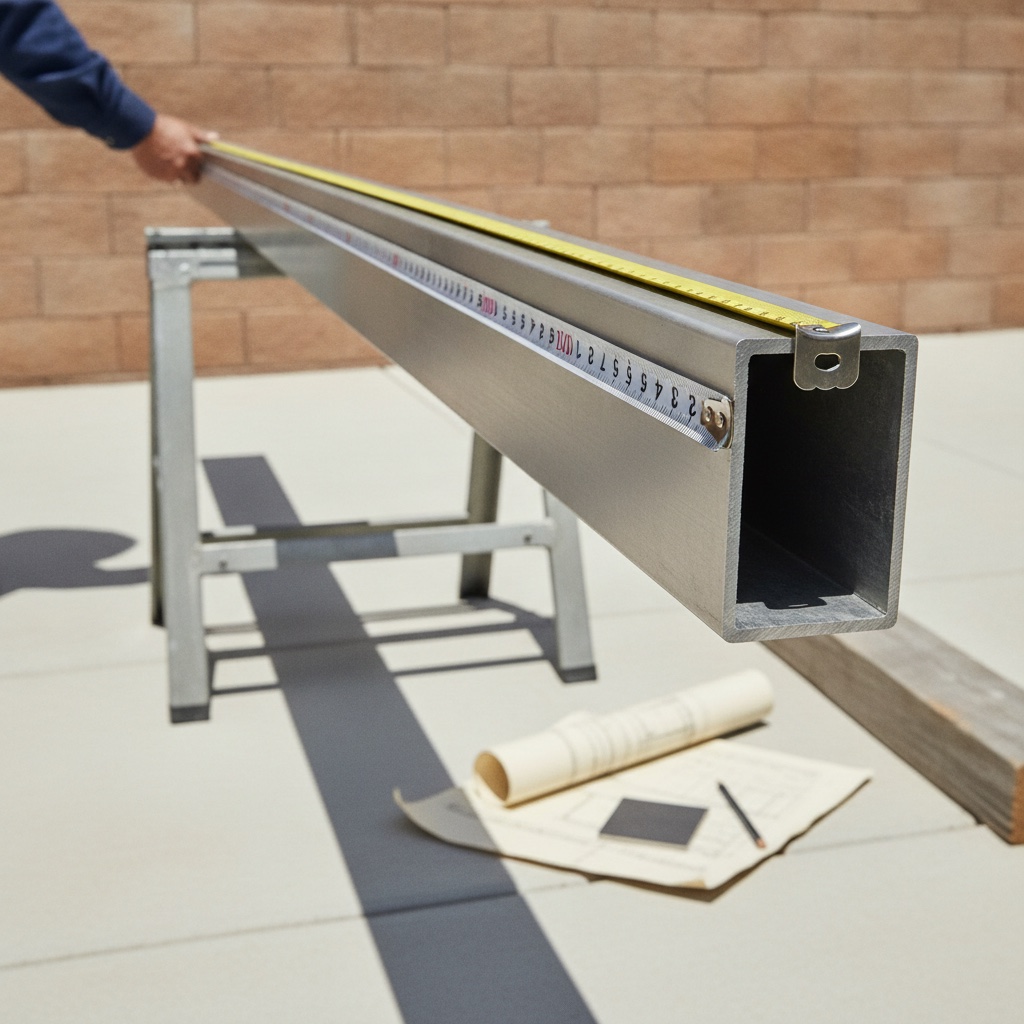
A standard extruded aluminum 3 by 8 inch header typically allows posts 7 to 10 feet apart, depending on how far the cover projects from the house. Double that header, or slide a steel C channel inside it, and the allowable spacing stretches far enough to erase the center post on many 20 foot covers. Ceiling fan rated beams commonly run free spans right up to about 15 feet 10 inches with no post under them at all.
Sawn lumber plays by heavier rules. A Douglas fir 4 by 8 beam carrying the same light roof generally wants a post every 8 to 10 feet, and stretching past that means stepping up to a 4 by 10, a 4 by 12, or an engineered glulam. Each step up is deeper, heavier, and more expensive, and it still arrives with knots the grader had to work around.
Why Extruded Aluminum Outspans Sawn Lumber
The advantage starts with geometry. An extruded beam is a hollow box that concentrates metal in the top and bottom walls, which is where bending stress actually lives. A solid wood beam carries much of its own dead weight in the middle of the section, where it does the least work. Pound for pound, the extrusion is simply a smarter shape.
Consistency does the rest. A 6063 T6 aluminum extrusion tests the same today as it will in fifteen years. Lumber is graded around knots, splits, and moisture content, and it keeps moving after installation. Inland SoCal’s dry heat pulls moisture out fast, which opens checks along the grain. Wood beams also creep, meaning they sag permanently under sustained load. An aluminum beam kept inside its rated span does not develop that belly.
Contractors who install both materials watch this play out. One patio cover builder with more than 1,500 covers built since 2005 reports that wood movement is unpredictable because it responds to both moisture and temperature, while aluminum expands and contracts on a schedule the engineering already accounts for. That predictability is exactly what a span table depends on.
Where Wood Still Wins
Credit where it is due. If you own a Craftsman in Orange or a Spanish revival in Redlands and want a true timber pergola with carved rafter tails, real wood delivers a look aluminum can only imitate. Wood can be notched, shaped, and re-stained on site to match trim that already exists. An extrusion is what it is the moment it leaves the die.
Wood can also win on sticker price in 2026. Section 232 tariffs on imported aluminum have sat at 50 percent since mid 2025, and the metal traded near 3,340 dollars per ton on August 12, up about 28 percent from a year ago. Aluminum mill shapes are up roughly a third year over year. A basic lumber cover can beat an aluminum bid on upfront price right now.
The catch is the second decade. Wood asks for stain and sealant every two to three years, runs 10 to 15 years with diligent care, and usually carries a one year workmanship warranty. A powder coated aluminum system with an AAMA 2604 finish runs 20 to 30 plus years and typically carries a limited lifetime warranty on the material. Cheaper on day one is not the same as cheaper.
How to Shop the Beam, Not the Brochure
Start with the permit reality. Any cover attached to the house needs a permit in California, and most cities only exempt small detached structures. San Diego, for example, publishes its patio cover rules in Information Bulletin 206. The permit is not the obstacle homeowners fear. It is the mechanism that forces the span table onto the kitchen table where you can read it.
Then make every bidder answer the same four questions. Which code edition is the engineering stamped to, 2019 or 2022 CBC? What is the exact beam call out, single 3 by 8, doubled header, or steel insert? How many posts, and how many new footings cut into the slab? And if you want a ceiling fan, which beam is rated to carry it? A contractor who cannot answer from the packet is guessing with your concrete.
Shade you cannot sit under is decoration. This month’s heat made that plain from Lancaster to Palm Springs, where triple digit readings arrived before lunch. If your slab deserves a cover with open sightlines and the fewest possible posts, we will measure it, run the actual span tables, and hand you a free in home quote that itemizes the beam spec, post count, and footing plan line by line. Bring the wood bid along. We like the comparison.
Morning-context sources used: KTLA Southern California heat wave coverage (August 2026): https://ktla.com/weather/southern-california-heat-wave-continues-with-triple-digit-temperatures/; LAist first-weekend August heat wave report (August 2026): https://laist.com/news/climate-environment/august-first-weekend-heat-wave; Trading Economics aluminum price data (August 12, 2026): https://tradingeconomics.com/commodity/aluminum; Construction Owners Association 50 percent metal tariff cost analysis (2026): https://www.constructionowners.com/news/50-metal-tariffs-hit-construction-costs; Okanagan Patio Covers aluminum vs wood comparison (updated July 8, 2026): https://okanaganpatiocovers.ca/guides/aluminum-vs-wood-patio-cover/; Try-Tech Alumawood permits and engineering reference: https://www.try-tech.com/awnings/engineering.html; LB Structural header beam and steel insert guide: https://lbstructural.com/blogs/news/alumawood-end-styles-and-header-beams