
Inland Empire thermometers pushed past 105 this week, heat advisories ran from Riverside to Rancho Cucamonga, and Palm Springs touched 119. Under that kind of sun, a patio cover either holds its shape or it does not. Plenty of SoCal homeowners are watching a vinyl cover sag between rafters, pull at its fasteners, and throw wavy shadows on the slab below. Aluminum does not behave that way, and the reason comes down to simple material math.
This post takes one comparison axis, heat, and follows it honestly. What thermal cycling does to vinyl, why extruded aluminum shrugs it off, where vinyl still earns its place, and the exact spec lines to demand on a quote if your cover has to survive a Corona backyard in late July.
What a 105-Degree Week Does to a Vinyl Panel
Vinyl moves. Rigid PVC expands roughly 3/8 of an inch per 10 feet of panel across a 50 degree temperature swing. A west-facing cover in Menifee can cycle from 65 degrees at dawn to over 140 at the panel surface by 4pm, which clears that swing every single day of a heat wave. The panel grows, the fastener holes do not, and something has to give.
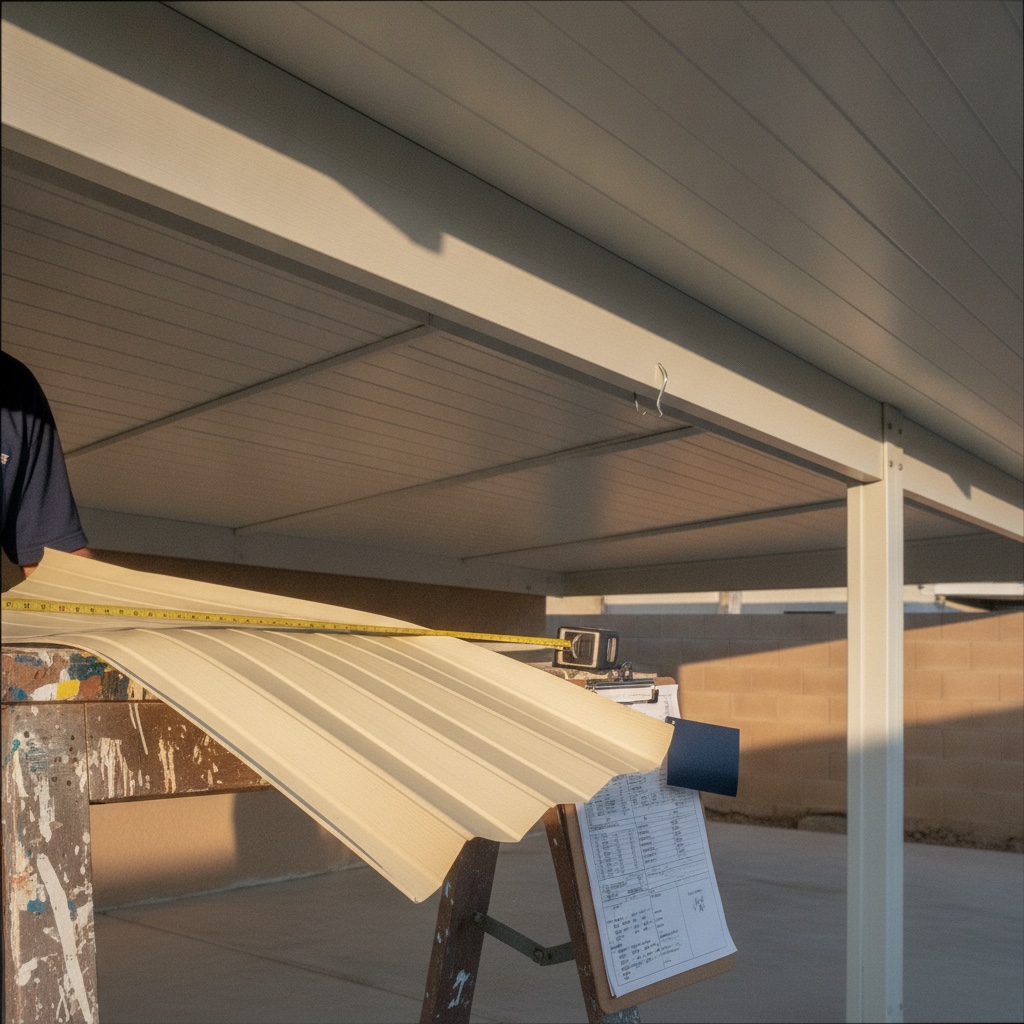
What gives first is usually the flat pan. Installers call the ripple effect oil-canning: a shallow wave that shows up in raking afternoon light and never fully relaxes. Next come hairline cracks at the screw penetrations, where the expanding panel worked against a fixed point through a few hundred cycles. Then UV finishes the job, chalking the gloss and turning bright white into a tired bone color within six to eight coastal summers, faster inland.
None of this is a knock on the installer. It is the material. Lower-grade vinyl extrusions with recycled content move even more and turn brittle sooner. Top-shelf virgin vinyl with titanium dioxide stabilizers holds up better, but the expansion coefficient is baked into the chemistry. You can slow the fade. You cannot vote the physics away.
Why Aluminum Stays Straight Through a Heat Wave
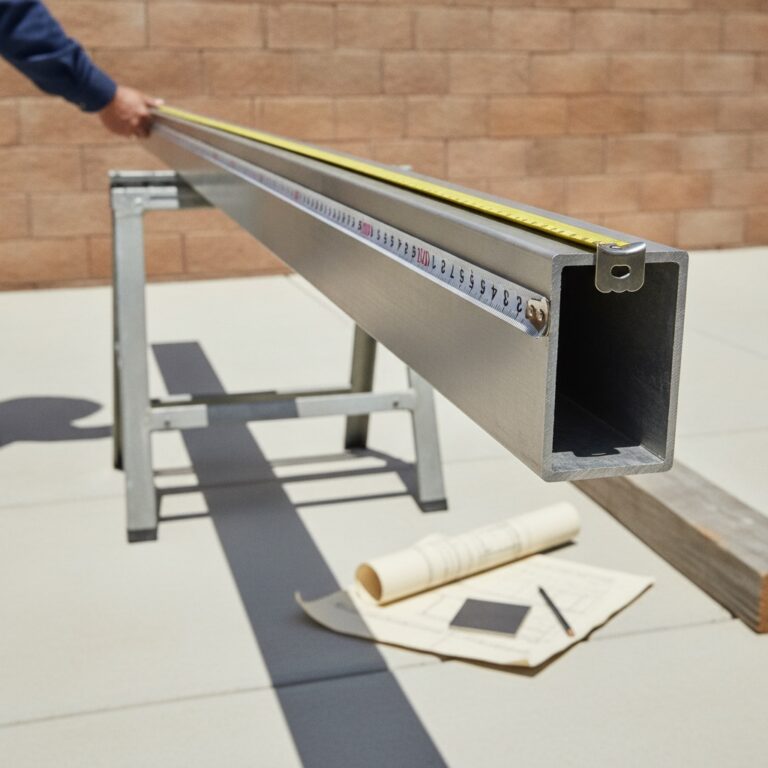
Aluminum expands too, but at less than half the rate of vinyl, and it does so predictably. A 6063-T6 extruded beam moves about 1/8 of an inch per 10 feet over the same 50 degree swing, and the alloy returns to dimension without creep. That is why a 10-year-old aluminum cover in Fullerton still shows straight rafter lines while the vinyl unit two doors down reads like a heat map of past summers.
Thickness matters as much as chemistry. A quality aluminum pan runs .024 to .032 inch, roll-formed with an embossed wood-grain skin that stiffens the panel and scatters glare. The powder coat on a reputable system carries an AAMA 2604 rating, which means the finish passed five years of South Florida sun exposure testing with minimal fade and chalk. Vinyl has no equivalent third-party finish spec you can point to on a quote sheet.
Heat comfort under the cover favors aluminum as well. A solid aluminum roof reflects a large share of solar load off its top skin, and a 3-inch insulated roof panel adds a foam core that keeps the underside noticeably cooler at 4pm than any single-wall vinyl panel. Homeowners who add a ceiling fan under an insulated panel routinely find the shaded space 15 degrees below the open yard.
There is also a permit angle. Cities from Anaheim to Temecula issue patio cover permits against engineered span tables, and aluminum systems publish those tables down to the gauge and post spacing. That paperwork is what keeps a 12-foot beam from becoming a 12-foot problem in year eight.
Where Vinyl Honestly Wins
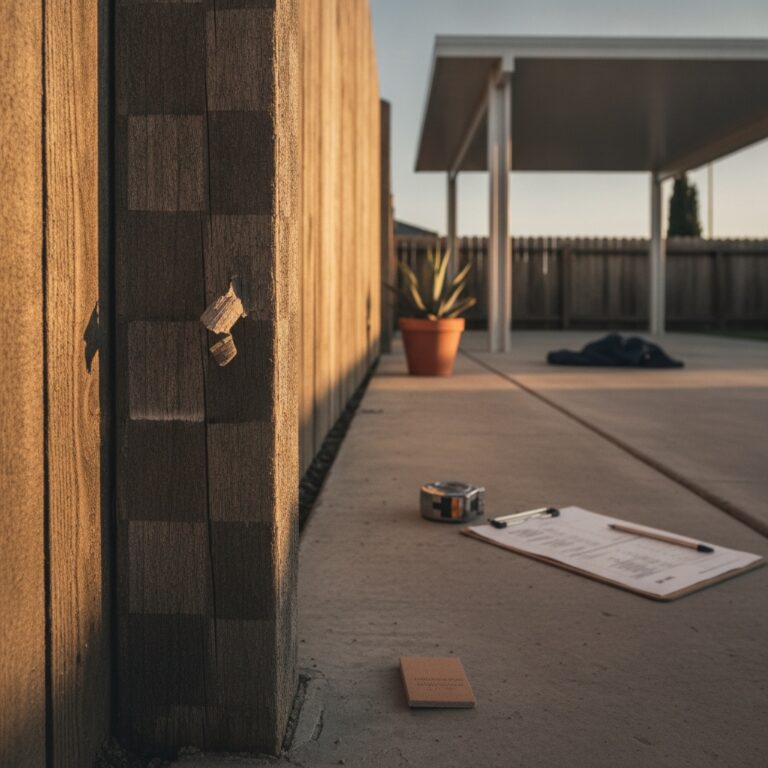
Fair is fair. Vinyl has real strengths, and an honest comparison names them. It stays cooler to the touch because it conducts heat slowly, so a post you brush against at noon will not surprise you. If your yard already carries white vinyl fencing, a vinyl cover matches it without a color conversation. And on a small, shaded, north-facing footprint, a well-made vinyl kit can come in a few hundred dollars under a comparable aluminum quote and live a reasonable life.
Vinyl also never needs paint and never corrodes, which sounds like a tie with aluminum until the warranties come out. Most vinyl cover warranties run 20 to 30 years, prorated, and heat distortion is often excluded in the fine print. Established aluminum systems back the structure with a limited lifetime warranty and put the AAMA finish rating in writing. Read both documents side by side before signing anything.
The Spec Lines That Make a Cover Heat-Proof
Five lines on a quote separate a cover that shrugs off August from one that ripples by Labor Day:
- Pan gauge in writing: .024 inch minimum, .032 on any span past 12 feet.
- Powder-coat tier named: AAMA 2603 is builder grade, 2604 is the SoCal baseline, 2605 is the coastal and desert upgrade.
- Insulated roof panels on west-facing slabs: a 3-inch foam core drops the underside temperature where you actually sit.
- An engineered span table, not a guess: correct post spacing keeps a hot beam from working its hangers loose.
- Warranty terms on paper: limited lifetime structural coverage, with fade and chalk numbers instead of adjectives.
One more heat-week detail worth asking about: fastener metallurgy. Stainless or coated fasteners rated for dissimilar-metal contact keep expansion cycles from chewing threads over time. It is a two-dollar line item that decides how the cover looks in year twelve, and a good estimator will name it without being asked.
A heat wave is the best sales demonstration either material will ever get, because it shows you how each one behaves ten summers early. If your slab bakes in Riverside, Corona, or anywhere the advisories hit triple digits this week, start the spec conversation before the next one arrives. JNL Aluminum offers a free in-home quote that itemizes gauge, finish rating, span engineering, and warranty terms line by line, so you can weigh any vinyl bid with real numbers instead of brochure language. We will bring the sample panels, and you can feel the difference at 4pm yourself.
Morning-context sources used: https://pacificbuilders.com/2026/07/08/aluminum-patio-covers-sacramento/ (2026-07-08), https://ktla.com/news/california/southern-california-heat-advisory-july-temperatures/ (July 2026), https://www.smdp.com/dangerous-heat-wave-grips-southern-california-through-monday-with-inland-areas-facing-triple-digit-highs/ (July 2026), https://elitelapatios.com/low-maintenance-patio-covers-in-southern-california-the-2026-luxury-guide/ (2026), https://duralum.com/volume-5-issue-13/ (2026), https://www.patiocover.us/how-long-does-a-patio-cover-last-by-material-type