
A Yorba Linda homeowner called us last week with a familiar problem. Her west-facing slab bakes from 2pm until sunset, the family room behind it overheats, and she wants the space usable in July and in January. Her question was the one we hear most at the kitchen table: should this become a sunroom, or is a covered patio the smarter play? The honest answer depends on budget, permits, and what “usable” means for your household. The numbers below come from current 2026 California pricing, so you can run the math on your own yard.
Two Different Products That Solve the Same Slab
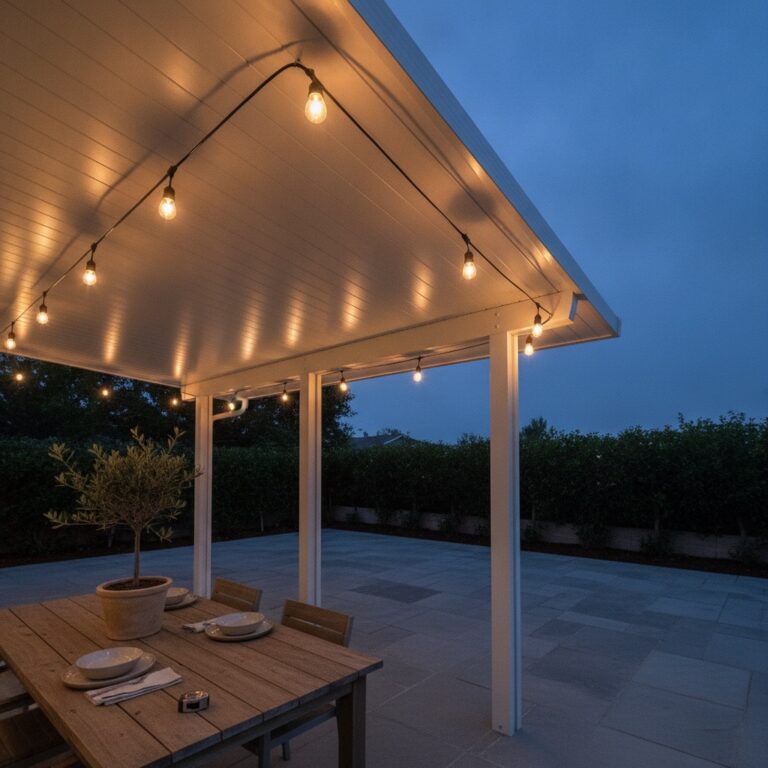
A covered patio is an open-air structure. An aluminum solid roof or lattice cover mounts to the house or stands free on posts, shades the slab, and sheds rain. You still feel the breeze. A lattice design filters 40 to 60 percent of direct sun, while a solid roof blocks all of it and keeps the slab dry through a February storm.
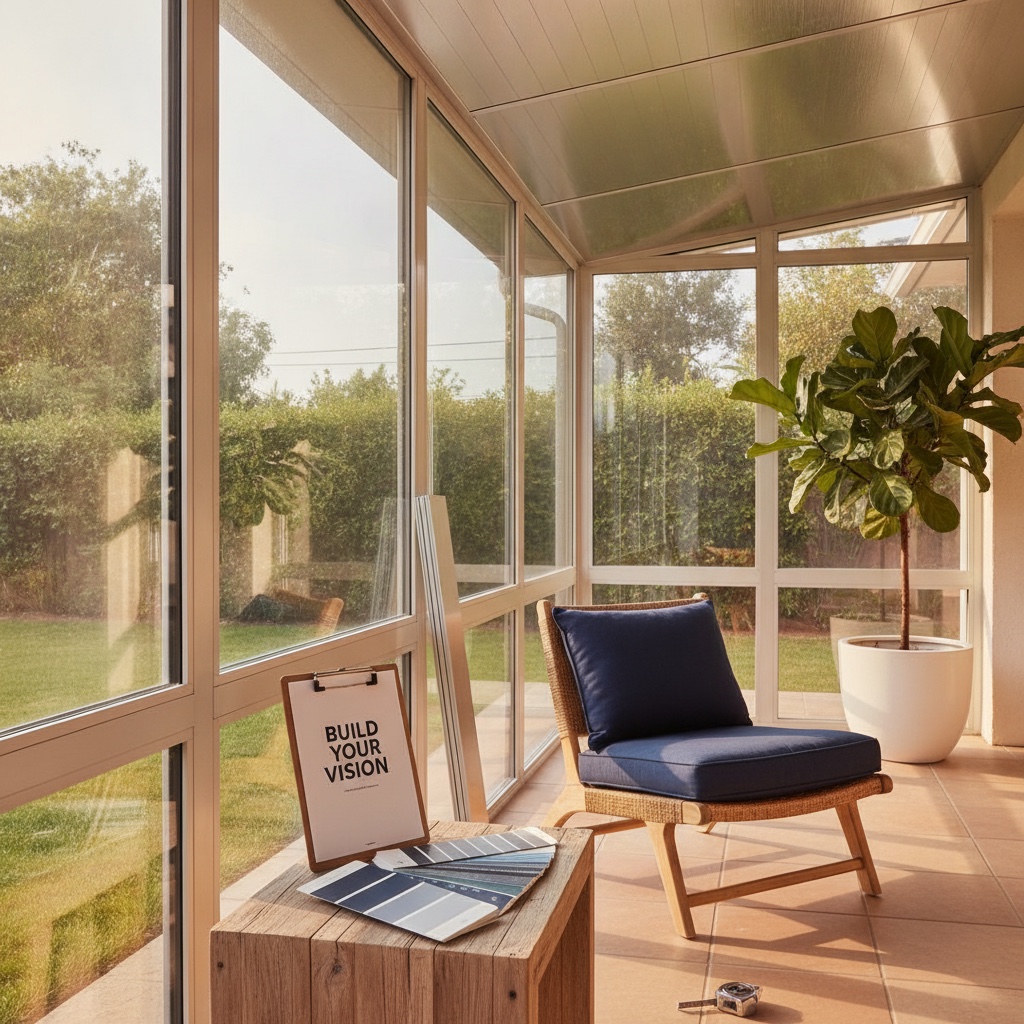
A sunroom is a room. It has walls, glazing, a finished floor, and often ducted heating and cooling. A three-season room uses lighter glass and no HVAC tie-in. A four-season room is insulated, conditioned, and counts as living space. That distinction alone moves the price by 30 to 60 dollars per square foot in California, before you touch a single finish.
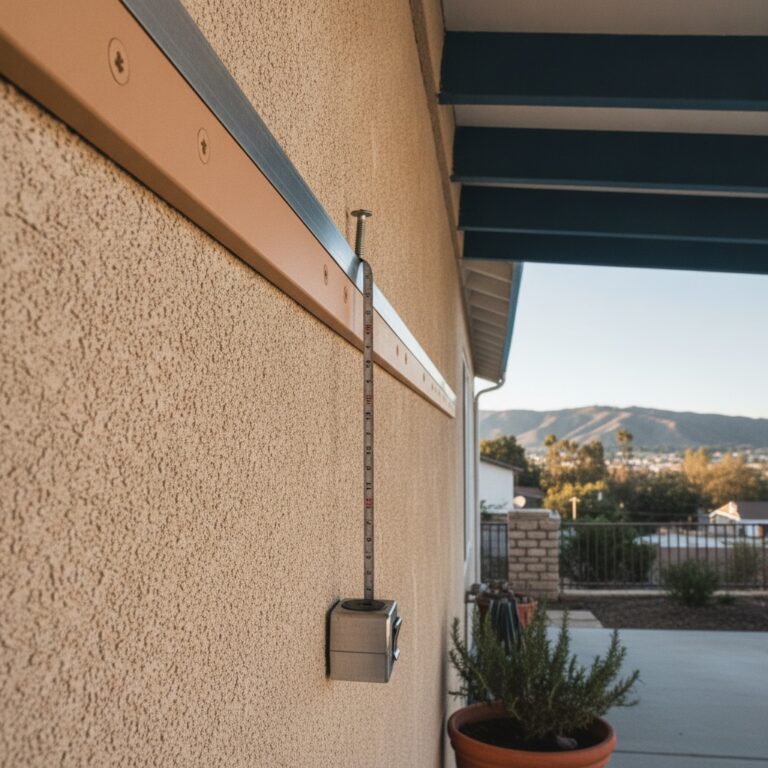
The structural bones can be similar, and that matters later. Many SoCal sunrooms start life as an aluminum patio cover with insulated roof panels, typically 3-inch foam-core panels that span 12 feet or more between supports. That shared skeleton is why the upgrade path from cover to enclosure exists at all, and why we spec 0.032-inch panel skins whenever a future enclosure is on the table.
The Cost Split in Real 2026 Numbers
Start with the covered patio. In Orange County and the Inland Empire, a quality aluminum cover on an existing slab typically lands between 8,000 and 25,000 dollars installed, depending on footprint, panel spec, and whether you add fans, lighting, or a ceiling package. A 14 by 20 foot solid insulated cover with an AAMA 2604 powder coat sits comfortably inside that range for most homes.
Now the sunroom. Current California figures put the average sunroom addition near 68,000 dollars, with a realistic range from about 15,000 dollars for a modest three-season conversion up to 120,000 dollars and beyond for custom work. Four-season construction prices near 300 dollars per square foot, so a 200 square foot room runs about 60,000 dollars. That is not a typo. A sunroom can cost four to six times what a covered patio does over the same slab.
The gap comes from everything a room requires that a cover does not: footings engineered for wall loads, glazing, electrical circuits, insulation, HVAC extension, a finished ceiling, and a longer permit cycle. None of that is padding. It is simply what conditioned square footage costs to build in California in 2026, and the line items add up fast.
The spending does not stop at construction either. A four-season room joins your heating and cooling load every month, and glass walls in Fullerton or Corona ask real work from an air conditioner in August. A covered patio costs almost nothing to run beyond a ceiling fan and a light circuit.
What Each One Returns at Resale
Sunrooms photograph beautifully but return modestly. Industry data for 2025 and 2026 puts average sunroom ROI at 49 to 51 percent, with four-season rooms doing best at 50 to 60 percent because appraisers can count them as livable square footage. Spend 68,000 dollars and expect roughly 34,000 dollars back at sale. Homes with sunrooms do tend to sell faster, often 10 to 25 percent faster than comparable listings, which has real value if a move is coming.
A covered patio plays a different game. Because the outlay is a fraction of a sunroom’s, the dollars at risk are smaller and the cost per usable hour is hard to beat. In SoCal, where an outdoor room works ten months a year without walls, buyers read a clean aluminum cover over a furnished slab as finished outdoor living space. You spend less, lose less, and use it the whole time you own the home.
So the value question is really a usage question. If your household needs a space that holds 72 degrees in August and seals out a March storm, only the four-season room delivers that, and the premium is the price of admission. If you need shade, rain cover, a fan, and a dinner table that works from March through December, the cover wins the math by a wide margin.
Permits, Timelines, and the Middle Path
Permitting splits the same way. Most Orange County cities permit a patio cover for 200 to 800 dollars, with Orange County Fire Authority review added in high fire hazard zones. Plan on two to three weeks from signed contract to finished cover for a standard install. A sunroom goes through full plan check as a habitable addition: engineered drawings, energy compliance, inspections at each phase. Two to four months is a normal timeline, and some cities run longer.
There is also a middle path worth naming. Start with a solid-roof aluminum cover built to enclosure spec: insulated panels, a beefed-up header attachment, posts placed where future walls could land. Live under it for a year and see how the household actually uses the space. If glass walls still make sense, the structure is ready and the money already spent still counts toward the finished room.
Several of our Anaheim Hills and Corona clients have taken exactly that route. Most of them stop at the cover once they discover a fan, string lights, and a dry slab handle about 300 evenings a year in this climate. The ones who do enclose later spend less than they would have starting from bare concrete.
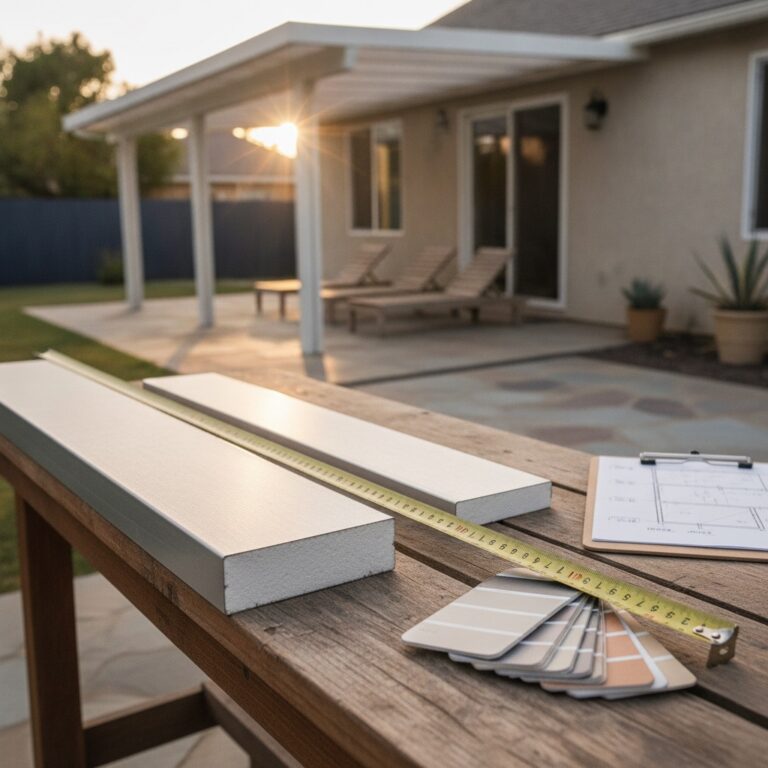
Every yard runs its own numbers, and a west-facing slab in Yorba Linda will not price like a shaded lot in Carlsbad. If you are weighing a sunroom against a covered patio, we will measure the slab, walk through the spec options, and put both numbers on one page for you. The in-home quote is free, it takes about an hour, and it ends the guessing. Request your free in-home quote from JNL Aluminum this week and make the call with real figures in hand.
Morning-context sources used: visionsunrooms.com/sunroom-cost-california-2026, homeguide.com/costs/sunroom-cost, returnonreno.com/cost/sunroom-addition, patiowarehouseinc.com/how-much-does-a-patio-cover-cost-in-oc-2026-guide, patiowarehouseinc.com/do-you-need-a-permit-for-a-patio-cover-in-orange-county-7, duralum.com/volume-5-issue-13